


Seat Belt Friction Tester AG90
Seat Belt Friction Tester is used to simulate the pilling changes of clothing caused by seat belt friction.
read more


 +8615280858852

In life, most people choose to send valuable clothes to dry cleaning. They think that dry cleaning can not only wash away stains, but also keep the clothes beautiful.
However, in actual life, the dry cleaning of the clothes may also cause discoloration or staining of light parts.
Today, we will work together to understand the test methods for fastness to dry cleaning and the product standards for common clothing to assess the fastness to dry cleaning.
What is dry cleaning?
Dry cleaning refers to the washing of clothes with organic chemical solvents, including a dry and dry washing method that removes oil or stains.
Color fastness to dry cleaning
Common methods for testing the color fastness of dry cleaning in the laboratory are:
GB/T 5711-2015 "Textile fastness test for color fastness to dry cleaning of tetrachloroethylene"
ISO 105 D01:2010 "Textile—Tests for colour fastness-Part D01:Colour fastness to drycleaning using perchloroethylene solvent"
Experiment procedure
The above two standard test methods are the same, and the test steps are as follows:
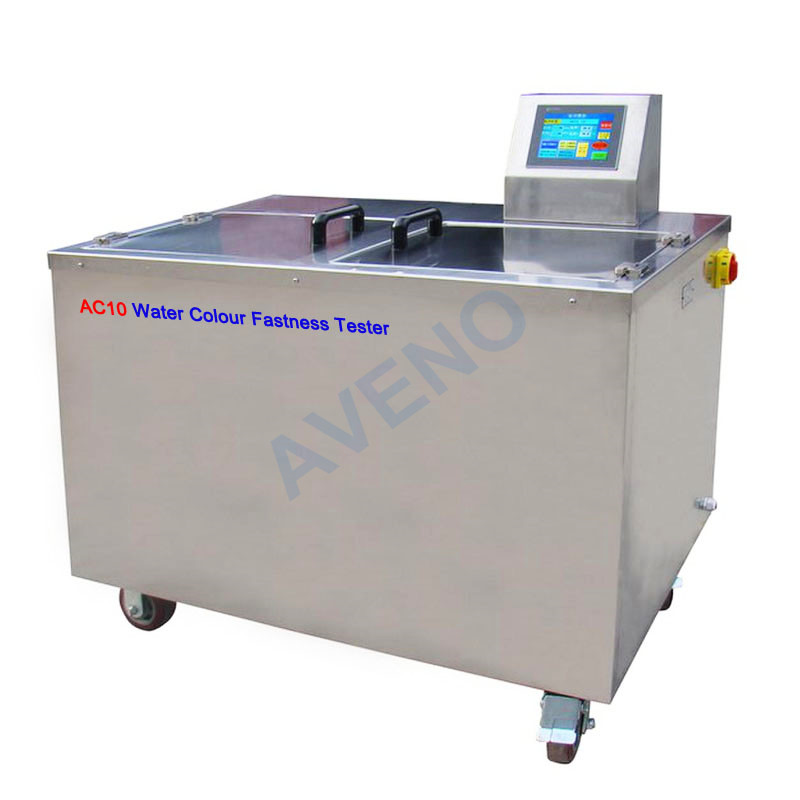
Step 1: Increase the water temperature of the water bath in the mechanical device to a test temperature of 30 °C.
Step 2: preparing a combined sample, the sampling size is 40 mm × 100 mm. The test object can be a garment, a fabric, a yarn or a loose fiber.
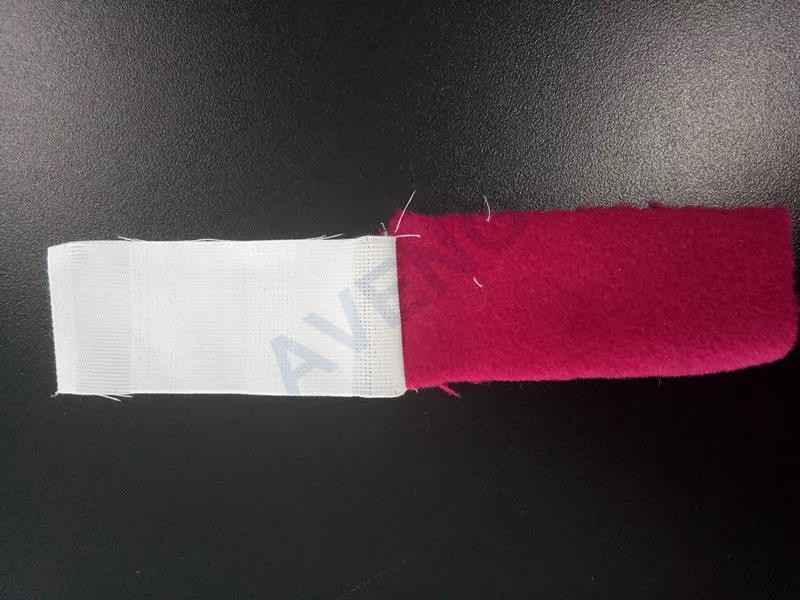
Step 3: Stitch two undyed square cotton twills along three sides to make a bag with an inner dimension of 100mm×100mm, and put a combined sample and 12 stainless steel wafers into the bag for any convenience. The form of the closed pocket.
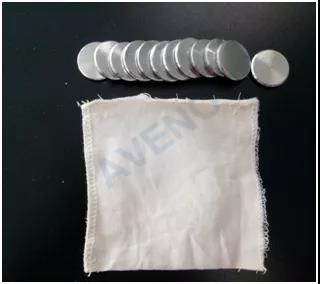
Step 4: Place the bag containing the combined sample and the stainless steel disc in a stainless steel container.
Step 5: Add 200 mL of tetrachloroethylene to a stainless steel container (at a temperature of 30 ° C) in a fume hood.
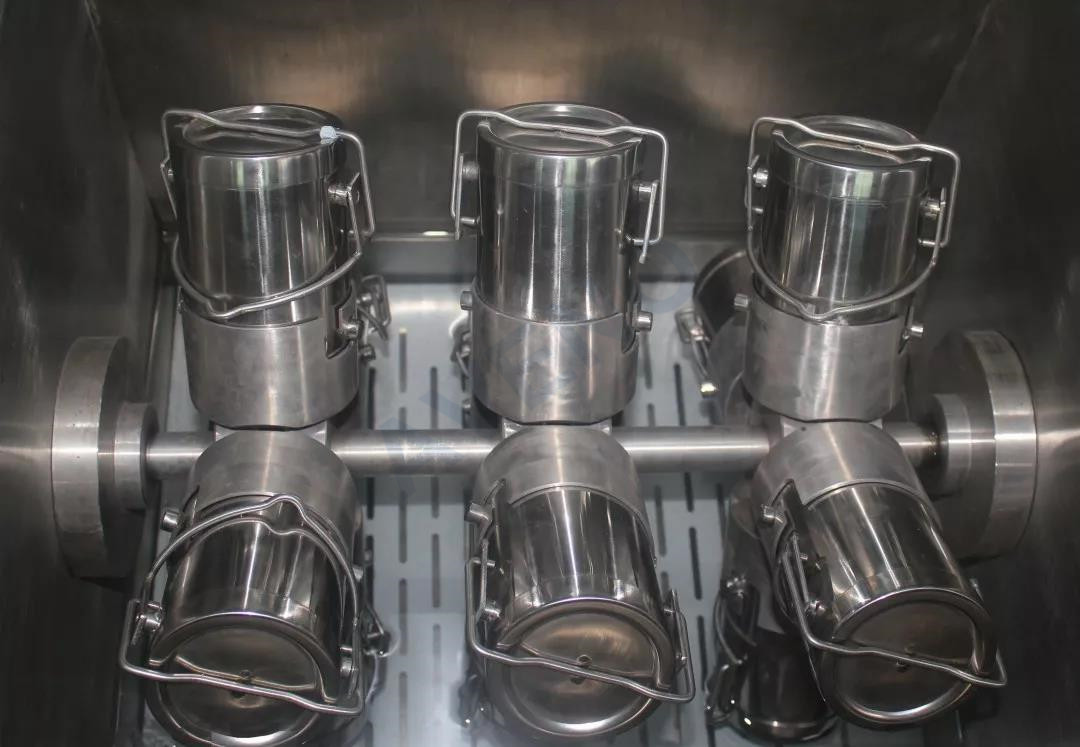
Step 6: Cover the stainless steel container, put it into the mechanical device, start the operation, and treat it in a water bath at 30 ° C for 30 min.
Step 7: Take out the bag from the container, take out the sample, squeeze or centrifuge to remove excess solvent, and hang the sample in a ventilator for drying.
Step 8: The original sample and the original lining fabric are used as reference samples, and the discoloration of the sample and the staining of the lining fabric are evaluated by a gray sample card or instrument.
AVENO Machine Recommend:
AC10 Water Colour Fastness Tester
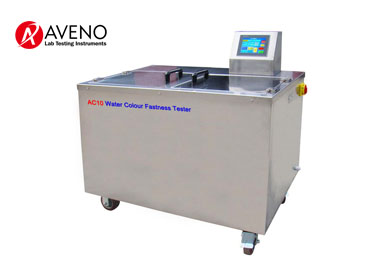
Contact Us Now!
Sales Dept Tel: +86 15280858852
Email: sales@avenotester.com
Skype: sales@avenotester.com
Web: www.avenotester.com
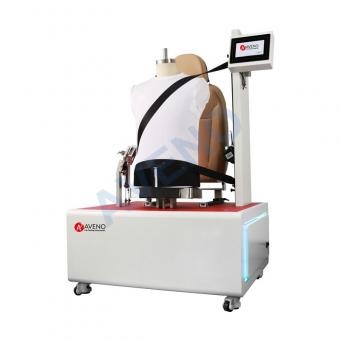
Seat Belt Friction Tester is used to simulate the pilling changes of clothing caused by seat belt friction.
read more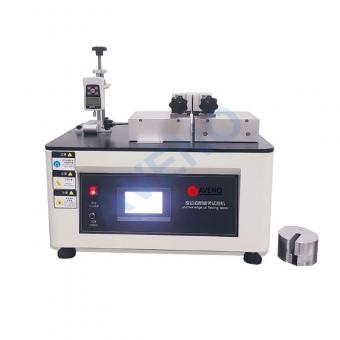
According to the bending force of the sample, according to the standard spacing and load weight requirements, perform reciprocating bending resistance under the specified testing speed conditions, observe whether there are cracks, coating peeling, adhesive delamination and other abnormal quality conditions on the surface, suitable for belt, shoulder strap, luggage soft lift and other belt products
read more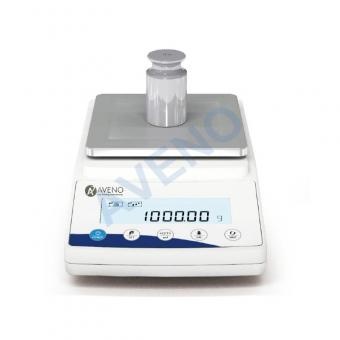
Double row LCD display, front and rear two display screen. Rechargeable battery. Weighing, peeling, counting, unit conversion. RS232 data interface, linking computers and printers.
read more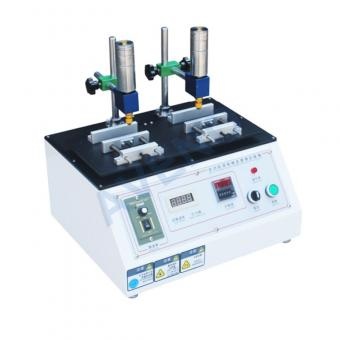
Alcohol Rubber Abrasion Tester used for glass cover plates, films, plastics, automotive parts, rubber, leather and textiles, electroplating, freely detachable components, paints, printed patterns and other products.
read more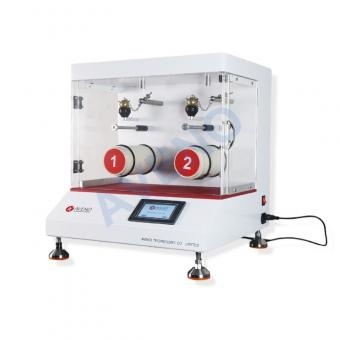
ICI mace snag tester applicable to knitted and woven fabrics and other fabrics that are prone to snags, applicable to woven and knitted fabrics made of textured yarns, non-textured yarns and spun yarns.
read more
 Oct 06, 2026
To celebrate China's National Day, AVENO's holiday arrangement is as follows: The holiday lasts for 7 days, from October 1st to October 7th, 2026. If there are any urgent matters during the holiday, please feel free to contact us, and we will promptly address them. We will resume full operations on October 8, 2026, and make up for the regular working hours on October 10. AVENO sincerely thank you for your continuous trust and support. AVENO wish you all the best. AVENO TECHNOLOGY CO., LIMITED Sales Dept Tel: +86 15280858852 Email: sales@avenotester.com Skype: sales@avenotester.com Web: www.avenotester.com
 Sep 27, 2026
Dear Valued Customers and friends, To celebrate the traditional Chinese festival, Mid-Autumn Festival, AVENO company will be closed on September 25th and resume work on September 28th (Monday). During the holiday period, if there are any urgent matters, please send us an email, and we will respond to you. We deeply apologize for any inconvenience caused to you and thank you for your understanding and continuous support. We wish you and your family a happy holiday! Best regards, AVENO TECHNOLOGY CO., LIMITED Sales Dept Tel: +86 15280858852 Email: sales@avenotester.com Skype: sales@avenotester.com Web: www.avenotester.com
 May 01, 2026
Dear Customers and Partners, Thank you for your long-term support and trust. In accordance with the national legal holidays and the company's actual arrangement, AVENO holiday schedule for the May Day Labor Day 2026 is hereby notified as follows: May 1, 2026 (Friday) to May 5, 2026 (Tuesday), a total of 5 days. We will resume normal work on May 6, 2026 (Wednesday). AVENO apologize for any inconvenience caused by our holiday arrangements and appreciate your understanding. We will respond promptly after the holidays. If there are any urgent matters during the holidays, we will provide services to you in a timely manner. Wish you a happy May Day Holiday! AVENO TECHNOLOGY CO., LTD Sales Dept Tel: +86 15280858852 Email: sales@avenotester.com Skype: sales@avenotester.com Web: www.avenotester.com
 Apr 04, 2026
Dear Valued Customers and Friends: AVENO will have two days holiday during the Qingming Festival: Holiday period: April 6th (Sunday) to April 7th (Monday), a total of 2 days. We will resume normal work on April 7th (Tuesday). During the holiday, please leave a message if you have any urgent matters. We will handle them as soon as possible after resuming work. We apologize for any inconvenience this may cause. Thank you for your continued support and trust. We wish you a safe and peaceful holiday and a healthy Qingming Festival! AVENO TECHNOLOGY CO., LTD Sales Dept Tel: +86 15280858852 Email: sales@avenotester.com Skype: sales@avenotester.com Web: www.avenotester.com
 Mar 11, 2026
AVENO pays tribute to all the outstanding women in our team, clients, and partners. Today, AVENO has prepared heartwarming gifts for its employees, wishing all women a happy Women's Day. Your wisdom, talent, and strength drive our innovation, development, and success every day. AVENO thanks you for your valuable contributions to the company's growth and success. Wishing you a happy, confident, and wonderful International Women's Day! AVENO TECHNOLOGY CO., LTD Sales Dept Tel: +86 15280858852 Email: sales@avenotester.com Skype: sales@avenotester.com Web: www.avenotester.com
 Mar 02, 2026
With the warm spring breeze and the renewal of all things, AVENO held its Spring Festival reopening ceremony on February 24, 2026. All teams have returned to their posts and fully resumed production, order fulfillment, delivery, and after-sales support. We apologize for any inconvenience caused during the holidays. A new journey has begun. Guided by ambition and a spirit of enterprise, AVENO will strive for steady growth, continuous innovation, and better performance in the Year of the Horse, and work hand in hand with partners to create new glories. AVENO TECHNOLOGY CO., LTD Sales Dept Tel: +86 15280858852 Email: sales@avenotester.com Skype: sales@avenotester.com Web: www.avenotester.com

 online service
 +8615280858852
 sales@avenotester.com
 +8615280858852